DePIN
Helium Network DePIN Guide: Mobile, IoT, and Mining Economics
Explore the Helium DePIN ecosystem: LoRaWAN IoT coverage, 5G Mobile hotspots, Solana migration, subDAO mechanics, and Proof-of-Coverage reward dynamics.
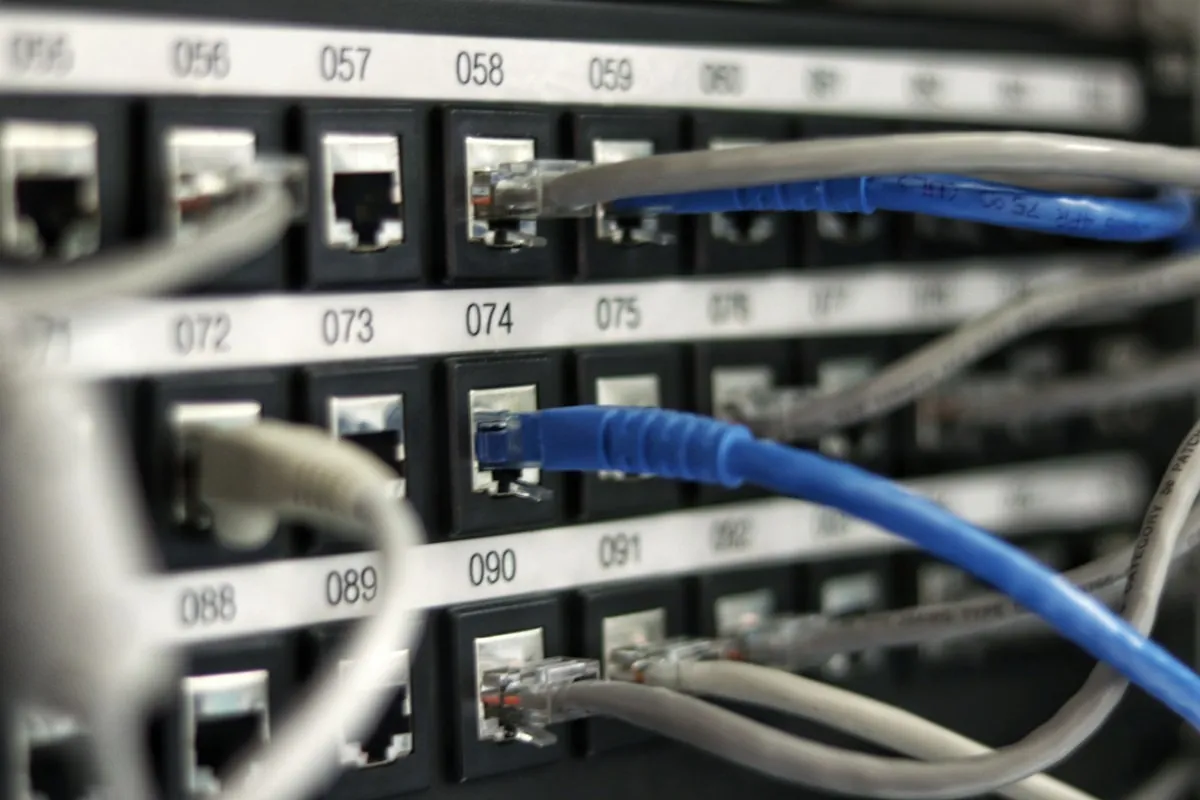
The Helium Network is one of the foundational pioneers of the Decentralized Physical Infrastructure Networks (DePIN) movement. Instead of relying on centralized telecommunication conglomerates to purchase billion-dollar spectrum licenses and construct expensive cell towers, Helium crowd-sources physical radio deployments to independent individuals worldwide. Hotspot hosts provide wireless coverage for Internet of Things (IoT) sensors and 5G mobile smartphones in exchange for tokenized network rewards.
If you are exploring the broader decentralized hardware landscape, our overview of the best DePIN projects to watch provides ecosystem context, while our analysis of DAWN decentralized broadband highlights how wireless mesh networks are evolving across Web3.

What is the Helium Network?
Launched originally on its own custom Layer 1 blockchain before executing the landmark HIP 70 migration to Solana in 2023, Helium connects physical hardware devices to cryptographic settlement rails. The network provides two primary wireless protocols:
- Helium IoT (LoRaWAN): A long-range, low-power wireless protocol engineered for micro-data packets. LoRaWAN connects smart agriculture moisture sensors, supply chain temperature loggers, fleet trackers, and environmental monitors across dozens of kilometers on minimal battery power.
- Helium Mobile (5G / CBRS / Wi-Fi): A consumer-facing mobile virtual network operator (MVNO) and decentralized radio network providing cellular voice and data connectivity to smartphone subscribers in the United States.
By leveraging decentralized nodes deployed in homes, offices, and rooftops, Helium eliminates traditional telecom real-estate overhead while creating continuous, verified geographic coverage.
The subDAO Architecture and Tokenomics
The core economic architecture of Helium operates through a modular subDAO framework powered by three distinct tokens: HNT, IOT, and MOBILE.
- HNT (Helium Network Token): The base native utility asset of the entire ecosystem. HNT is burned to create Data Credits (DCs), which have a pegged value ($0.00001 per DC) required to transmit data across either the IoT or Mobile sub-networks.
- IOT Token: The governance and mining reward token of the LoRaWAN subDAO. Hotspots that provide verified IoT coverage and relay sensor packets earn IOT, which is redeemable for HNT via automated treasury swap pools on Solana.
- MOBILE Token: The governance and incentive token of the Helium Mobile subDAO. Hotspots and Wi-Fi access points providing cellular data coverage earn MOBILE rewards.

Proof-of-Coverage (PoC) Explained
Unlike Proof-of-Work, which expends computational energy solving cryptographic puzzles, Helium utilizes Proof-of-Coverage (PoC) to verify that physical radios are physically located where their operators claim.
In the IoT network, hotspots intermittently emit encrypted radio frequency “beacons.” Neighboring hotspots within radio line-of-sight detect these signals and submit signed “witness” receipts to the blockchain. Because radio frequency propagation is constrained by the laws of physics and topography, the network mathematically verifies node density, antenna height, and geographic integrity.
In Helium Mobile, verification combines GPS hardware telemetry with automated subscriber coverage mapping (Discovery Mapping), where active mobile phone users earn token rewards for verifying real-world signal strength along streets and urban transit routes.
Helium IoT vs. Helium Mobile Hotspots
Deploying hardware requires understanding the differences in capital expenditure, technical requirements, and target markets:
| Dimension | Helium IoT (LoRaWAN) | Helium Mobile (Wi-Fi / CBRS) |
|---|---|---|
| Primary Protocol | LoRaWAN (868 MHz / 915 MHz) | Passpoint Wi-Fi / Citizens Broadband Radio (CBRS) |
| Hardware Cost | \$150 – \$350 | \$250 – \$1,500+ |
| Backhaul Requirement | Minimal (standard residential broadband) | High-speed gigabit fiber / unmetered low latency |
| Reward Token | IOT (redeemable for HNT) | MOBILE (redeemable for HNT) |
| Target Consumers | Smart sensors, trackers, utility meters | Smartphones, enterprise Wi-Fi roamers |
| Regulatory Complexity | Unlicensed ISM bands (globally accessible) | Country-specific telecom & spectrum rules (primarily US) |
To understand how hardware verification differs from web-scraping bandwidth nodes, compare these requirements with our tutorial on Grass Network bandwidth sharing.
Pros and Cons of Operating Helium Nodes
Pros
- Genuine real-world utility with millions of daily connected devices
- Low ongoing power consumption (~5W for standard IoT miners)
- Solana infrastructure enables near-instant micro-settlements and DeFi liquidity
- Rapid expansion into telecom subscriber offloading partnerships
Cons
- High initial hardware saturation in Tier-1 metropolitan areas reduces PoC rewards
- Mobile hotspot deployment requires strict location and high backhaul bandwidth
- Token emissions subject to programmatic halving cycles every two years
- Physical antenna installation, coaxial line loss, and line-of-sight tuning required

Key Deployment Guidelines for Node Operators
If you are planning to deploy a Helium node, avoid common novice pitfalls:
- Line of Sight Beats Antenna Gain: A 3 dBi antenna mounted on an unobstructed rooftop will consistently outperform an 8 dBi high-gain antenna trapped behind residential double-pane glass.
- Minimize Cable Loss: Use high-grade LMR-400 coaxial cabling for outdoor runs to prevent signal attenuation between the transceiver and the antenna.
- Verify Hex Density: Before purchasing equipment, check network explorers (such as Helium Geek or Hotspotty) to ensure your location is not already oversaturated with existing nodes, which scales down reward multipliers.
- Maintain Reliable Power and Ethernet: Hardwired Ethernet is substantially more reliable than 2.4 GHz Wi-Fi for maintaining continuous witness telemetry.
For broader best practices on machine hardening and home infrastructure, check out our beginner’s guide to running nodes.
FAQ
- Can I still mine HNT directly with an IoT hotspot?
- No. Since the implementation of HIP 70 on Solana, IoT hotspots earn IOT tokens and Mobile hotspots earn MOBILE tokens. Both subDAO tokens can be redeemed for native HNT through the Helium Wallet app using automated on-chain liquidity pools.
- Why did Helium migrate to the Solana blockchain?
- The original Helium Layer-1 blockchain suffered from congestion and clock drift during periods of rapid hotspot onboarding. Migrating to Solana offloaded smart contract execution, consensus, and state management, allowing Helium core developers to focus entirely on wireless protocols.
- How much electricity does a Helium hotspot consume?
- Standard LoRaWAN IoT hotspots use small ARM processors (similar to a Raspberry Pi) and consume approximately 5 watts of power, costing less than \$1 per month in average residential electricity.
- Is Helium Mobile available outside the United States?
- While Helium IoT is deployed globally across Europe, Asia, and the Americas on unlicensed radio bands, Helium Mobile's commercial cellular phone plans are currently focused on the US market due to telecom roaming agreements and CBRS radio regulations.
Bottom Line
The Helium Network demonstrates how token incentives can bootstrap physical infrastructure at a fraction of centralized capital expenditure. While early speculative mining returns have given way to utility-based metrics, operators with optimal geographic placement, elevated outdoor antennas, and reliable high-speed connections continue to play a crucial role in building the world’s largest open wireless commons. Explore more decentralized infrastructure reviews in our DePIN category hub and node guides.
This article is for educational purposes only and should not be considered financial or investment advice. Always conduct your own research (DYOR) before investing in cryptocurrencies or blockchain projects.