DePIN
What Is Dawn? Decentralized Broadband Explained
A plain-language framework for evaluating decentralized broadband projects like Dawn: infrastructure, coverage claims, costs, and participant risk.
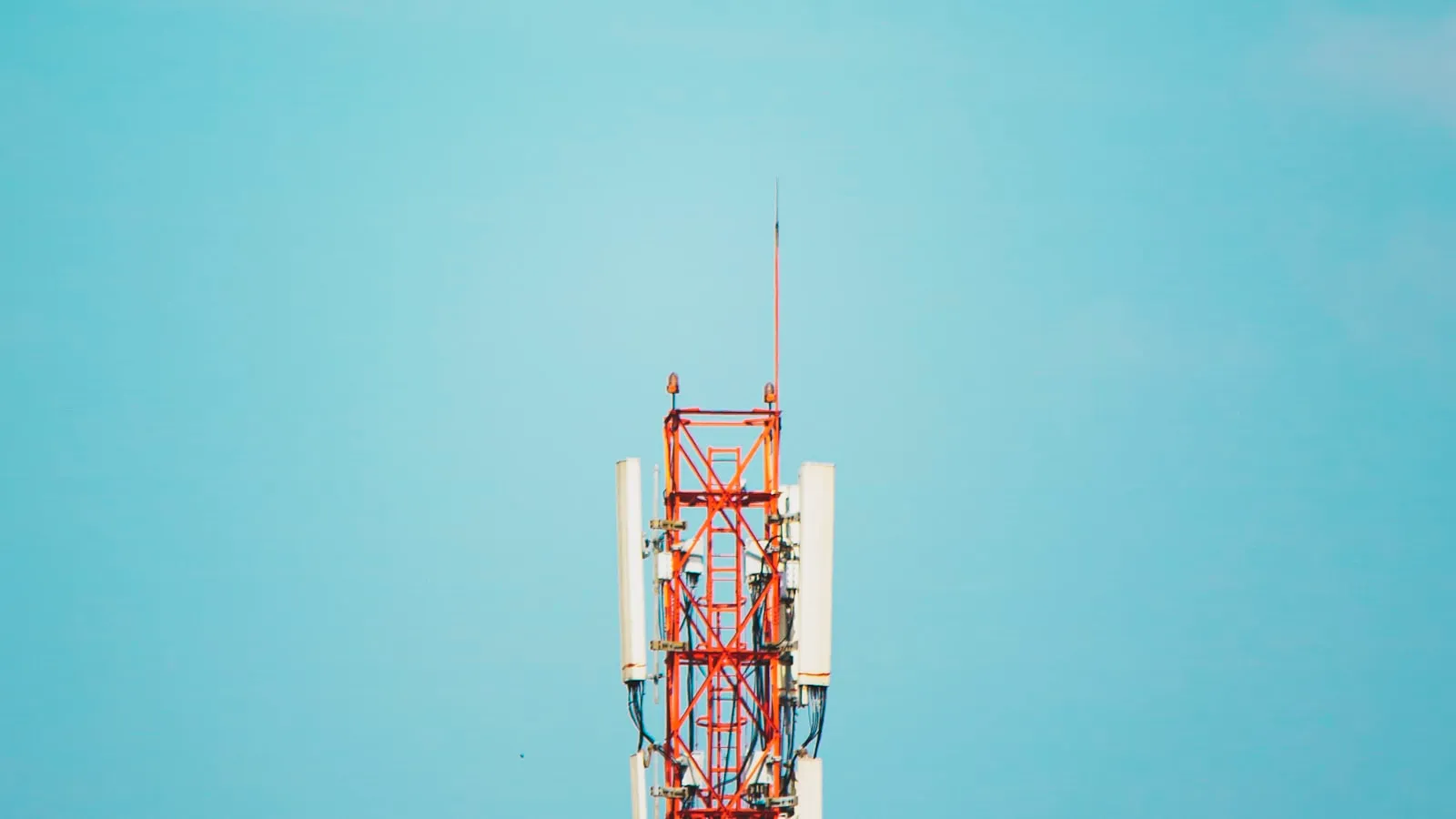
Dawn describes itself as a decentralized mobile carrier: instead of one company owning the entire network, a protocol coordinates independent infrastructure, community validation, and an on-device SIM. That framing is useful, but broadband is a physical business before it is a token business. This post gives you a plain-language framework for evaluating Dawn — and any decentralized broadband project — through infrastructure, coverage claims, cost, and legal reality.
If you are new to the category, our DePIN research guide explains how to evaluate physical networks, and the web3 infrastructure explainer covers the node and consensus layer these projects sit on.

The infrastructure-first question
Any mobile network depends on the same four layers: spectrum or licensed access, backhaul to the internet, radio equipment on towers or buildings, and customer support. A decentralized carrier changes who owns and operates each layer — it does not make the layers optional. The first question to ask about Dawn is therefore boring and necessary: which pieces exist, and who runs them?
- Spectrum and radio — where the signal actually comes from and who holds the licenses.
- Backhaul — how local radios connect to the wider internet; this is often still rented from incumbents.
- Hardware — the devices that validate coverage and carry traffic, and who pays for them.
- Support and billing — what happens when service fails or a SIM needs replacing.
What a decentralized carrier is actually offering
Dawn’s model, like other wireless DePIN projects, treats the mobile network as a marketplace. Participants can contribute coverage validation from their devices, and customers can get connectivity through a SIM rather than a traditional carrier contract. The stated promise — open infrastructure, community participation, and lower cost — is real as a design goal. What you must verify is how much of that promise exists today versus on a roadmap.
How to evaluate coverage claims
Every broadband project publishes a coverage map. The evaluation is in the details:
| Question | Why it matters |
|---|---|
| Does the map show live or planned coverage? | Live coverage is a deployed asset; planned coverage is a roadmap. |
| Who runs the radio network in your area? | A partner carrier’s network is not the same as a decentralized one. |
| What devices and SIMs are supported? | A narrow device list means the coverage won’t be there for you yet. |
| What speeds and limits apply? | “Unlimited” plans usually have speed caps that change the calculus. |
| Is the service legal and licensed locally? | Regulatory compliance decides whether it can operate at all. |
Costs and incentives
The cost side of a decentralized carrier is easy to overpay for: hardware, SIM plans, and time spent validating coverage. Write the real numbers down before participating.
Decentralized broadband pros
- Independent coverage validation can reward real participation
- Lower-cost SIM models pressure incumbent pricing
- Open designs give users a say in network governance
Decentralized broadband cons
- Backhaul and spectrum are still concentrated in practice
- Coverage claims can outrun deployed infrastructure
- Regulatory and licensing risk is project-level, not token-level
FAQ
- Is Dawn a real mobile carrier?
- Dawn is a decentralized mobile carrier project backed by the Flow Foundation, offering a SIM-based connectivity product. Whether it functions as a day-to-day carrier for you depends on the actual coverage and device support in your region — check the official website and the current SIM terms rather than relying on launch coverage.
- Do I need crypto to use it?
- Not necessarily — the product is a connectivity service. The token and participation elements are separate from simply using the SIM. Treat any requirement to connect a wallet for a core service with caution, and never provide a seed phrase during onboarding.
- How do I know the coverage claim is true?
- Compare the map against deployed reality: ask for supported devices, live-versus-planned status, and a refund policy for failed service. Independent coverage validation by participants is designed to improve accuracy, but it is a mechanism, not a guarantee.
- Is participating in coverage validation profitable?
- Coverage validation rewards are an incentive to run hardware and provide data — not a guaranteed income. Price the hardware, electricity, and time honestly, and apply the same evaluation you would to any DePIN project using our [research framework](/articles/how-to-research-depin-projects/).
- What are the main risks?
- The main risks are regulatory (unlicensed operation in your region), operational (coverage that never materializes), and financial (hardware and time spent against rewards that may not hold value). The network's physical buildout, not its token price, is the real risk surface.
Bottom line
Decentralized broadband is an interesting design, and Dawn is a serious attempt to apply it to mobile connectivity. Evaluate it like any physical network: infrastructure first, live coverage second, costs third, and incentives last. The token narrative is the least informative part of the project. For the broader picture, see the DePIN research framework, the web3 infrastructure explainer, and the beginner’s guide to running nodes.
This article is for educational purposes only and should not be considered financial or investment advice. Always conduct your own research (DYOR) before investing in cryptocurrencies or blockchain projects.