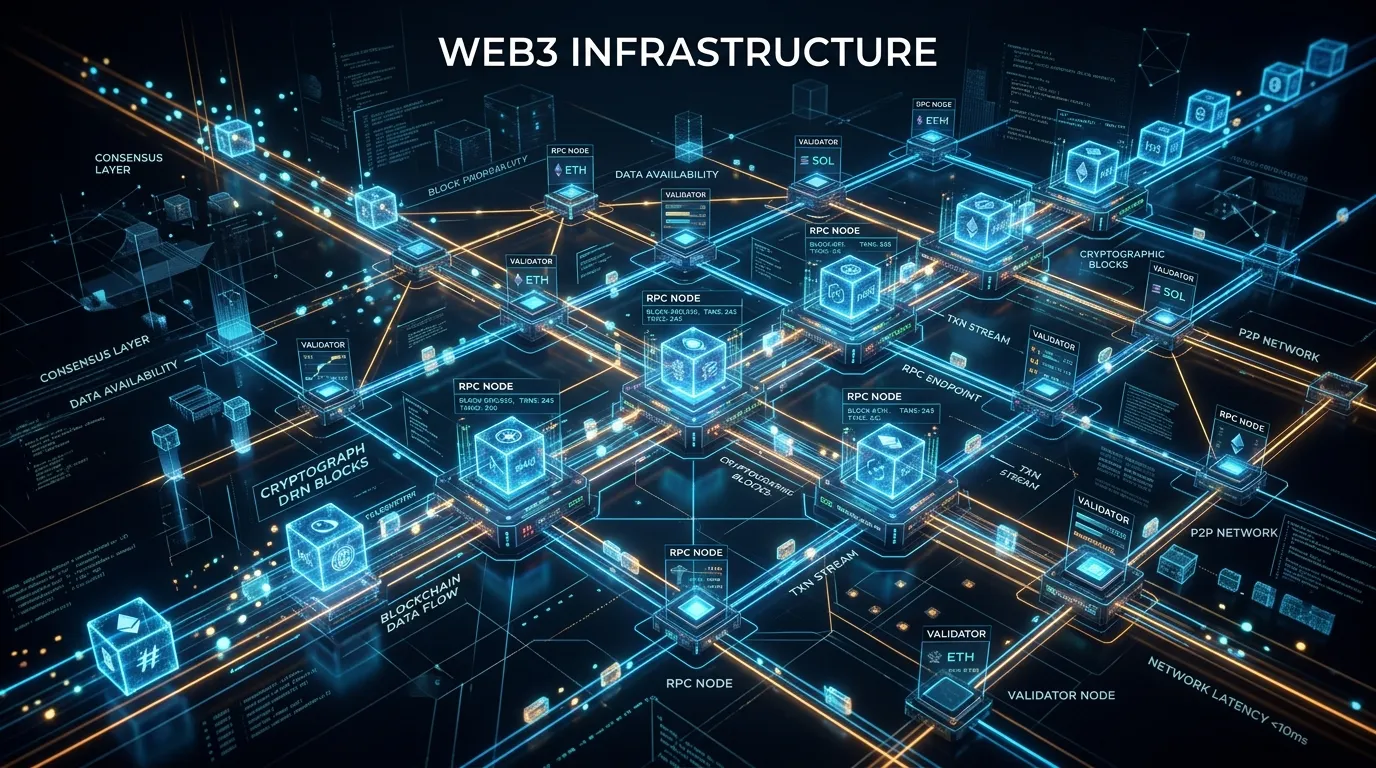
RPC Nodes Explained: The Critical Gateway Between Wallets and Blockchains
Understand how JSON-RPC nodes connect wallets and dApps to blockchains, the privacy risks of default public endpoints, and how to run your own private RPC.
Topic
Safer crypto practices.
Understand how JSON-RPC nodes connect wallets and dApps to blockchains, the privacy risks of default public endpoints, and how to run your own private RPC.
Compare hardware wallets with multi-signature smart contract vaults: key isolation, Safe protocol, seed phrase attack vectors, and optimal cold storage setups.
A practical breakdown of running a Solana validator node: RAM and NVMe hardware demands, vote transaction costs, and uptime responsibilities.
A project-agnostic safety checklist for evaluating a new Web3 participation program before connecting a wallet, installing software, or sharing hardware.
A security-focused setup checklist for any browser-based Web3 participation service, with clear boundaries around wallets and permissions.
A repeatable evaluation framework for DePIN projects: real infrastructure, operating costs, governance, security, and transparent incentives.
Compare light clients, full nodes, and validators through cost, hardware, security, and operational responsibility — not promised returns.
Secure a crypto wallet with a practical threat model: seed phrases, phishing, malicious approvals, device hygiene, backups, and recovery.
How to run a blockchain node responsibly: full, light, and archive nodes, Ethereum and Bitcoin hardware needs, secure host setup, syncing, monitoring, and maintenance.